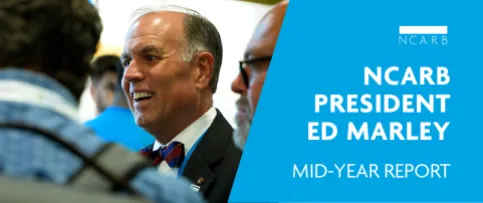
From December 12 to 13, NCARB hosted its annual Committee Summit in Washington, DC. The event brought together over 100 NCARB volunteer members, committee chairs, and NCARB leaders to collaborate in discussions that will determine the next steps in our Pathways to Practice efforts, shaping the future of licensure.

Collaborating Across Committees
NCARB’s key volunteer committees meet every December to engage, share insights, and make progress on their work to keep NCARB’s programs and services moving forward.
Volunteer committees examine current policies and make recommendations for improvement, allowing NCARB to remain responsive as practice evolves. Their work is essential to NCARB’s role in shaping the architecture profession through regulation and protecting the built environment. This year’s charges focused on reimagining the licensure process through NCARB’s Pathways to Practice initiative, including determining the potential structures of future licensure programs.


Exploring Pathways to Practice
During the two-day event, attendees participated in several plenary discussions, focused workshops, and collaboration sessions to thoroughly examine the future licensure process and explore potential assessment methods and criteria for future licensure programs.
Throughout the event, members of NCARB’s Education, Experience, and Examination Committees collaborated with other volunteers and leaders to determine how the competencies outlined in the Competency Standard will be measured in future licensure programs. In support of the programmatic committees’ work, the Licensure Process Research & Development Task Force led sessions to gather insight and feedback from attendees in determining appropriate assessment methods for each competency. Members of the Futures Collaborative shared their work in exploring ways to ensure that future licensure paths are flexible, agile, and adaptable as the architecture profession continues to evolve.
Attendees also participated in discussions to identify potential unintended barriers or consequences of the proposed licensure models. They examined NCARB’s role in supporting these pathways, analyzing the impacts and experiences of individuals from various career backgrounds.
Recommendations and insights shared during these discussions will inform refinements to the licensure model being drafted by various committees, ensuring that they appropriately measure the competencies needed to protect the public in the built environment.