Note: NCARB updated this blog in June 2026 to reflect the latest online proctoring policies.
Taking the Architect Registration Examination® (ARE®) online offers flexibility and convenience, but it also requires preparation. To ensure a smooth testing experience, confirm that your computer, internet connection, primary and secondary cameras, and testing space meet all requirements outlined in the ARE 5.0 Guidelines. And don’t forget before each online-proctored appointment to complete a free test run to confirm that your setup and space meet all of NCARB’s requirements.
Technical Setup
NCARB has specific policies and technical requirements for the ARE. Before each online-proctored appointment, be sure to review the technical standards in the ARE 5.0 Guidelines and on NCARB’s website to confirm that your setup meets NCARB’s specifications, including:
Computer
For your online-proctored division, you’ll need to use a laptop or desktop computer with a single-monitor configuration. Tablets and touchscreen monitors are not permitted, and tablet/laptop hybrids must operate in laptop mode with tablet mode disabled. Keep your laptop plugged directly into a power source throughout the exam. If you connect an external monitor, the laptop lid must remain closed, and you will need to use an external keyboard and mouse.
In addition, all cables connected to your computer and peripherals must remain visible and accessible for inspection prior to testing. Docking stations, multiport adapters, HDI splitters, and similar devices that provide additional video, network, or power connections are not allowed. USB hubs that only add ports for peripherals are acceptable. Disable Bluetooth and plan to use wired or non-Bluetooth wireless peripherals. Ensure you have administrative permissions on the computer, as the PSI Proctoring Platform may prompt you to modify settings or close certain programs.
Operating System
A device running a native Original Equipment Manufacturer (OEM) Windows operating system is required. MacOS, Linux, ChromeOS, and other operating systems are not permitted. Devices running Windows through virtualization software, emulators, compatibility layers, or other non-native configurations are not permitted. Find the most up-to-date information on supported Windows versions on our website.
Webcam
You must use either an integrated or external webcam as your primary camera, providing a front-facing view. If your computer has multiple webcams, disable or disconnect any cameras not being used for testing prior to launching the exam.
Secondary Camera
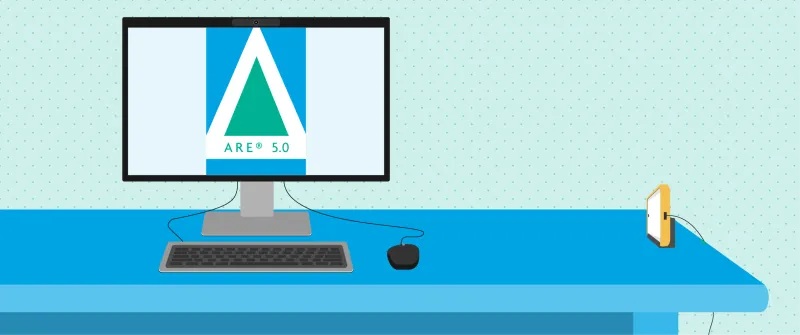
You will also need to set up a mobile device as a secondary camera. This extra camera is an exam security measure used in addition to the primary webcam on your computer. Watch this video for a step-by-step guide to setting up your secondary camera.
The device you use for the secondary camera must be a fully charged smartphone connected to a power outlet or adapter and connected to the internet through WiFi. It is also recommended that your device is connected to a cellular network in case your WiFi connection is interrupted. The device’s operating system must be iOS 12 or Android 8 or later, with working front-facing and back-facing cameras.
During the online check-in process, you will scan a QR code that appears on your computer screen to begin the secondary camera setup. After allowing access to your microphone and camera, you will use your phone to verify your ID and complete a room scan. At this point, PSI’s online check-in specialist will help you adjust your device’s position directly to your right or left. Note: You might need to use a separate table or tripod for your phone if you're using a smaller desk.
You may prop up your device with an approved secondary camera support item, such as a sturdy, adjustable phone stand or heavy object. Your phone will need to be horizontal and in landscape mode to capture your entire computer screen, your full keyboard and mouse or trackpad, both hands while typing, and your side profile. You must stay within the camera frame during your exam and not stretch beyond it. Additionally, your phone should remain in its original position on its support item during any scheduled breaks. If you use the device or alter its setup during scheduled breaks, a QR code will cover the screen (including the break timer), and you will need to complete the smartphone connection and camera placement process again before returning to your exam.
Keyboard and Mouse
You may use your laptop’s built-in keyboard and trackpad or external devices during testing. If your laptop is connected to an external monitor, the laptop lid must remain closed, and both an external keyboard and an external mouse are required. Wired or non-Bluetooth wireless peripherals are permitted. If you choose to use wireless devices, make sure their batteries are fully charged and can last for the entire duration of the exam.
Audio
Speakers and a microphone must remain enabled during testing. Headphones, headsets, and earbuds are not allowed. Adjust the speaker volume to a comfortable setting before launching the PSI Proctoring Platform. If you have multiple microphones, disable or unplug any microphones that will not be used for testing prior to launching your exam.
Monitor
The ARE interface is designed for a single 19-inch or larger monitor with a resolution of 1920 × 1080. Smaller monitors or lower resolutions reduce image clarity and may require additional scrolling.
Internet and Network Settings
Connect to the internet through a wired Ethernet connection with a minimum of 3 Mbps of dedicated bandwidth. WiFi should be avoided, as it can become unstable and disrupt the exam. Learn more about technical requirements related to your internet and network settings. Limit other internet activity in your household—such as streaming or gaming—during your appointment.
PSI Proctoring Platform accesses your computer, including your camera and microphone, which some systems may flag as a security risk. Before testing, adjust your computer, router, or Internet Service Provider (ISP) security settings to prevent the PSI Proctoring Platform from being blocked. Temporarily disable any corporate or network firewalls during the exam and disconnect from any VPN before launching the PSI Proctoring Platform, as VPNs can interfere with connectivity. If you are using a company computer, keep in mind that you may need to reach out to your company’s IT support team for assistance in identifying your VPN and disabling it.
Browser and Applications
The latest version of Google Chrome is recommended to run the PSI Proctoring Platform. Close all other applications before launching the exam to prevent interruptions or performance issues. See troubleshooting tips for PSI Proctoring Platform performance issues or trouble launching your exam.
Testing Environment
Your testing space needs to be private, quiet, and free of distractions. Whether you test from home, an office, or another secure location, the following requirements—and any others outlined by PSI and in the ARE 5.0 Guidelines—apply:
Privacy
Testing must take place indoors in a walled environment. The space should be private, ideally with a single closing door in view of the camera. If the space does not have a door, use a curtain or sheet to block the entrance. No other people or animals can be present or enter the room during your exam.
Lighting and Sound
The testing space must be bright enough for the proctor to see you clearly. Keep the room well-lit throughout the appointment and free of background noise.
Setup
The testing space must be cleared of items or materials not required for testing. Remove or fully cover personal belongings and household items, except for furniture. You can use bed sheets or other opaque materials to cover items. If needed, you may define a smaller testing area with bedsheets, curtains, or room dividers—as long as the proctor can see the entire space during check-in and throughout the exam.
Workspace and Immediate Surroundings
Place your computer on a hard surface, such as a table or desk, not in your lap. The workspace may only contain the equipment needed to complete your exam: your computer, monitor, webcam, keyboard, and mouse. Remove any picture frames, pencil holders, decorations, office supplies, or similar items from your desk and nearby surfaces.
Entire Testing Space
Countertops, shelving, bookcases, and all other surfaces should be either cleared or covered. Turn off and cover televisions or screens in the room. Remove or cover anything that could block the proctor’s view or conceal materials, such as laundry piles, beds, open storage bins, or stacks of papers.
Before your exam begins, take a moment to clear your space of items like these (and similar ones):
- Reference materials, scratch paper, pens/pencils, notepads, or language dictionaries
- Calculators
- Tablets, e-readers, laptops not used for testing, or other electronic devices
- Smart watches, smart glasses, smart jewelry (such as rings or necklaces), fitness trackers, or other wearable technology
- Headphones, earbuds, or any in-ear devices
- Baggage, handbags, purses, wallets, or briefcases
- Food or beverages
- Tobacco or other smoking products
Review these personal items allowed while testing for a complete list of pre-approved items permitted within the testing space, including those required for secondary camera setup.
Schedule a Test Run
Before each online-proctored ARE appointment, you are required to complete a free PSI test run to confirm with a proctor that your computer, internet connection, primary and secondary cameras, and testing space meet all technical and environmental requirements. Plan to complete another test run if your equipment or environment changes before your exam.
You can schedule a test run appointment through the “Exams” tab within your NCARB Record.
Tips for your test run:
- Schedule early: Book your test run well before your ARE appointment. This gives you time to make any adjustments or reschedule your exam if needed.
- Use the same setup: Run the test under the same conditions you plan to use for your actual exam—same computer, same internet connection, same room, and even around the same time of day.
- Be prepared: The test run uses the PSI Proctoring Platform, so make sure your system permissions allow the secure connection to launch successfully.
- Expect a full walkthrough: You’ll complete the same check-in steps used for the real exam and see a short, unscored quiz that verifies your setup works correctly.
During the session, work with PSI’s proctor or technical support team to resolve any issues. If your setup or testing space still doesn’t meet requirements, make adjustments and schedule another test run to confirm everything is working properly. Candidates who are unable to meet the requirements will need to take their exam at a PSI test center.
Note: NCARB will not issue refunds to candidates who are unable to complete an exam appointment due to technical issues or environmental issues if the candidate did not complete a test run prior to their exam.
Set Up for Success
Taking time to review the requirements, prepare your setup, and complete your PSI test run can make all the difference. In addition to the ARE 5.0 Guidelines, review NCARB’s and PSI’s Online Proctoring Experience Quick Guide before your next online-proctored appointment. With these steps in place, you’ll feel confident and ready to focus on what really matters—demonstrating your competency and taking another step toward licensure.
Questions? Contact NCARB.